Request a quoteQuote

Materials & craft

Materials that change the light.

Texture, transparency and finish shape the light as much as the form. Start with the effect, then review the material in a sample.

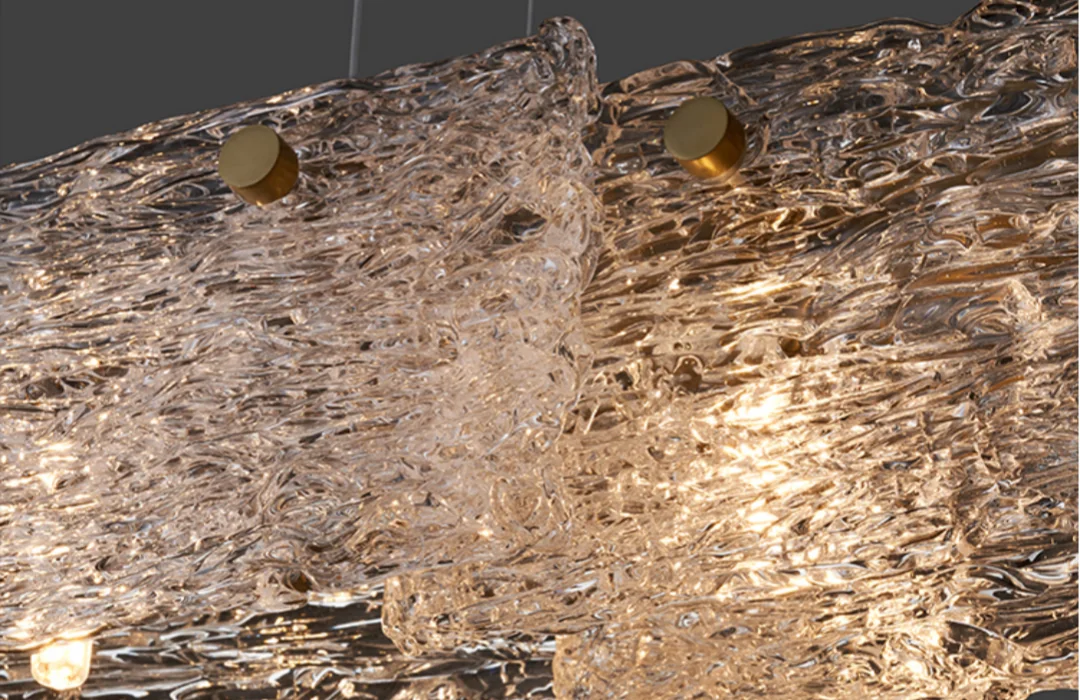
Close-up of textured glass and metal fixings on the Bangkok pendant
Our custom-lighting team · Materials & craft

Six ways to begin

Find the material expression.

Project photographs show the possibilities. Open the notes for the decisions to make with the design and sample.

Close-up of textured glass and metal fixings on the Bangkok pendant

Glass

Transparency, texture and colour.

Material notes

Clear, textured and coloured glass create different expressions. Select the technique for the design, then review a physical sample with the intended light source.

Confirm in the sample
Agree colour, texture, dimensions, fixing points and acceptable variation in handmade pieces.
Explore glass craft →
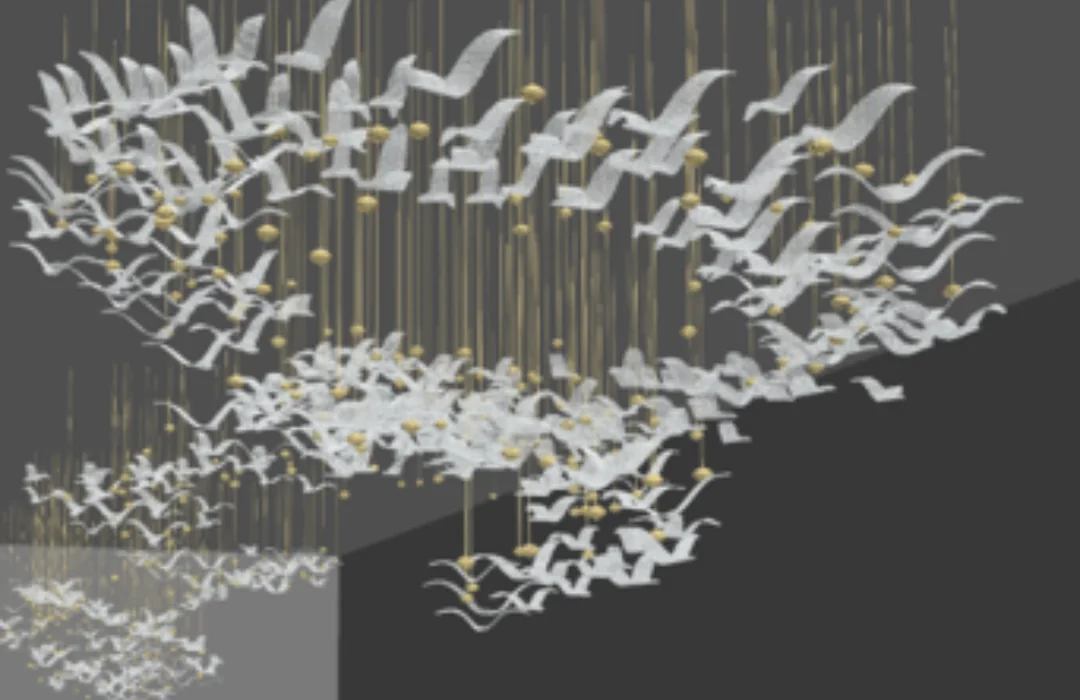
Repeated crystal-bird forms in the Shenyang lighting installation

Crystal & beads

Small elements. A larger composition.

Material notes

The Shenyang bird installation combines crystal beads and stainless steel wire. A representative element helps establish the detail before it is repeated through a larger arrangement.

Confirm in the sample
Review the element, supporting frame, connections, repetition and maintenance access.

See the Shenyang project →
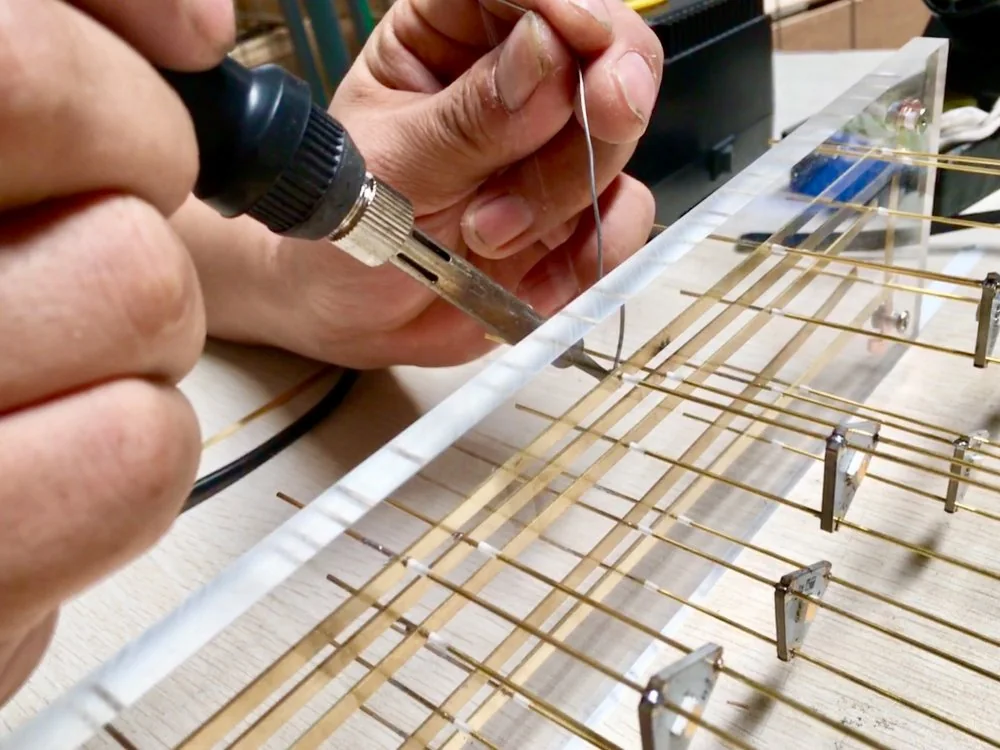
A craftsperson fixing metal components during lighting assembly

Metal

Structure, connection and finish.

Material notes

Metal can define the visible outline or support a more translucent material. Review the frame, joints and finish together with the design and fixing information.

Confirm in the sample
Identify the specified metal, coating or plating, surface texture, sheen and visible connection details.

Coordinate the construction →
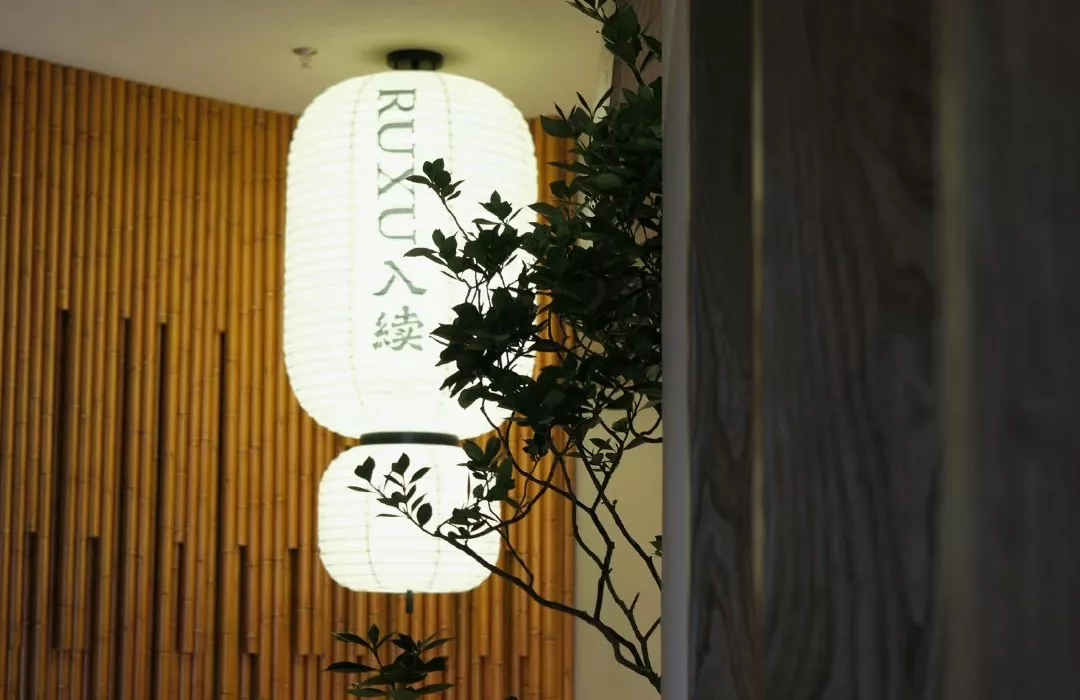
Illuminated RUXU rice-paper lantern against a bamboo wall

Paper & translucent shades

A softer way to diffuse light.

Material notes

Rice-paper lanterns bring a gentle glow to the RUXU project. The shade, supporting structure and light source all contribute to the final appearance.

Confirm in the sample
Review the shade lit and unlit, its seams and frame, cleaning instructions and intended indoor conditions.

See the RUXU lanterns →
Woven natural-fibre shade shown in our custom-lighting team’s rattan lighting material article

Natural fibres

An open weave and a natural texture.

Material notes

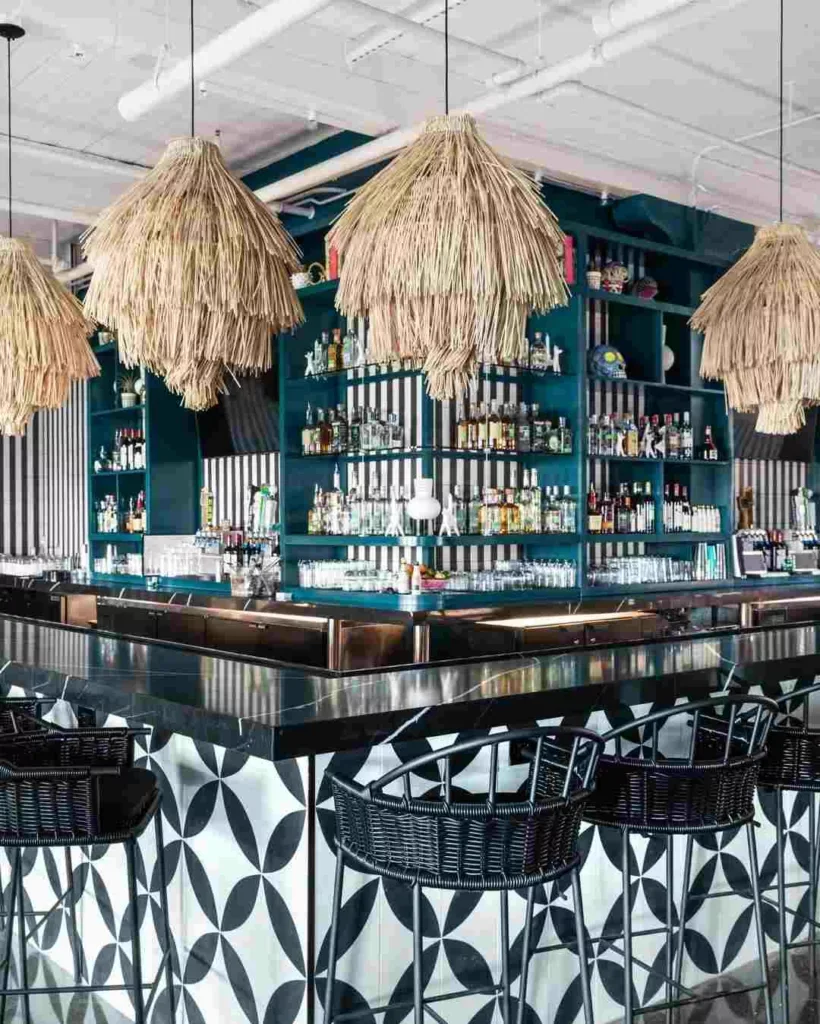
Rattan and woven natural materials can introduce visible texture and an open pattern of light. Our custom-lighting team’s material article shows several ways a woven shade can sit in an interior.

Confirm in the sample
Confirm the actual fibre, weave, finish, shade dimensions and cleaning method in the sample.

Plan a material sample →
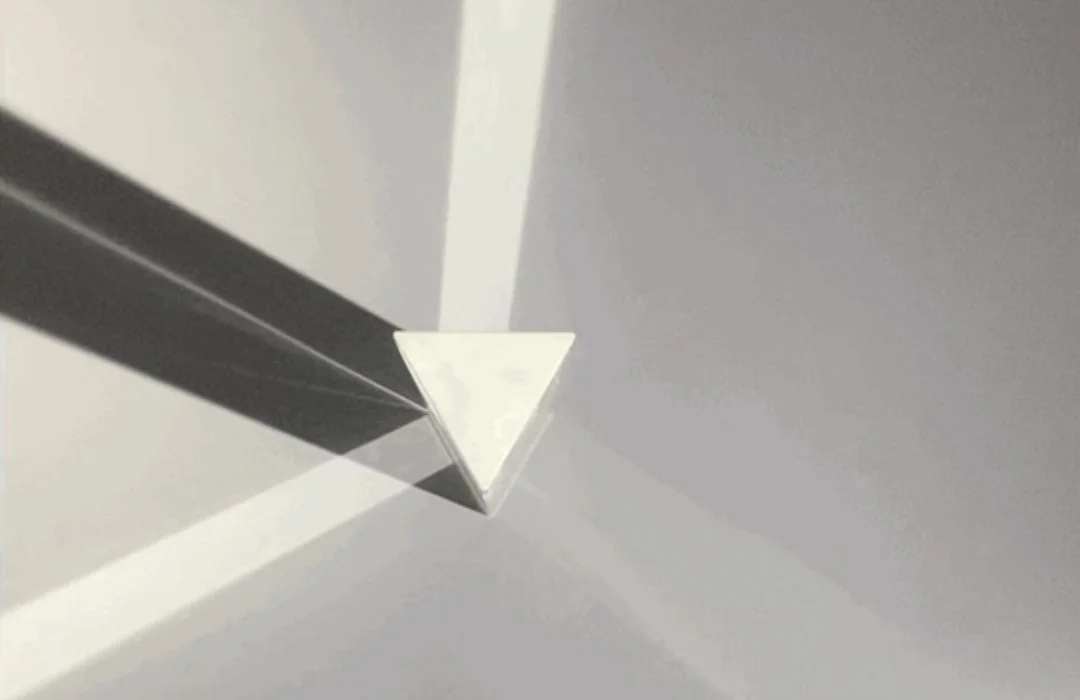
Hope in the Dark prism fixture and its refracted light on a wall

Optical elements

Let the light become the composition.

Material notes

Hope in the Dark places an optical prism alongside a concealed LED source. It is a useful example of developing the light effect together with the physical object.

Confirm in the sample
Review the source, optical element, mounting and the surface receiving the light as one system.

Explore Hope in the Dark →

The approval sample

Review the material in light.

A screen is a starting point. The sample should show the finish, texture and intended lit effect that will be used as the project’s approval reference.

See samples, drawings & trial assembly →
  1. Unlit & litCheck the surface and the way light passes through or reflects from it.
  2. With the room finishesCompare the sample to the actual timber, metal, stone or fabric around it.
  3. At the right level of detailAgree what the sample proves and which construction details remain in the drawings.
  4. With an approval recordKeep the sample reference, accepted variation and drawing revision together.
Source & image references

Custom-lighting project and craft references from our specialist team. Discuss new sourcing, design and fabrication enquiries with Foshan Supply.

A closer look

Approve a material in the way it will be lit.

Texture, translucency and reflections change the effect of a decorative light. Compare physical samples in a representative lit condition and agree the variation that belongs in the finished piece.

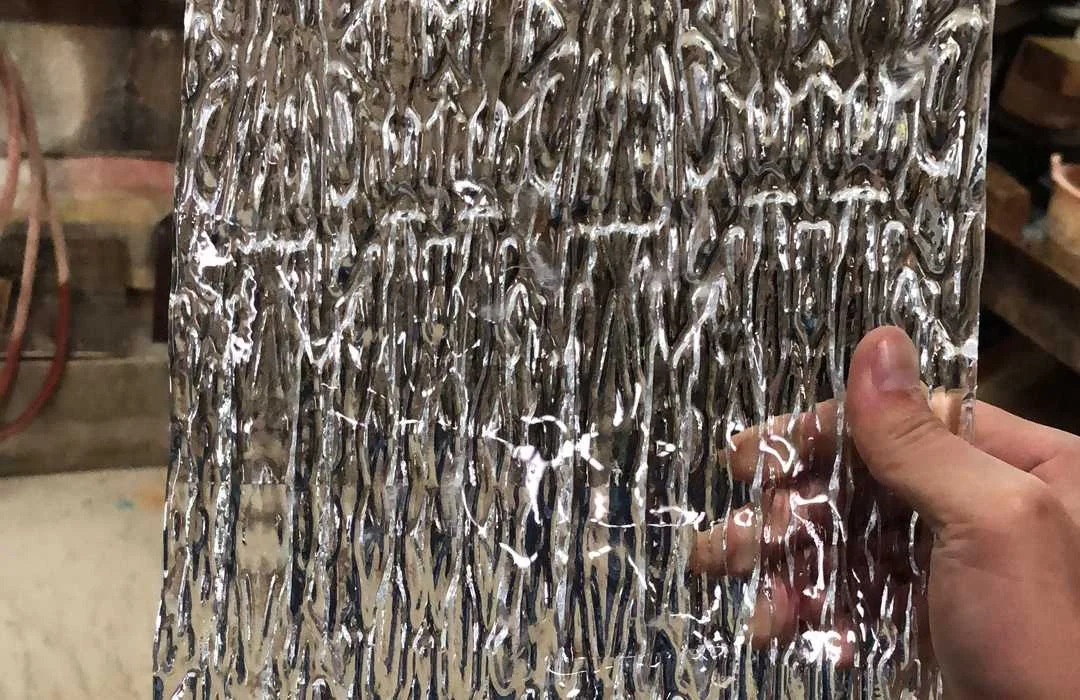
A textured glass sample held for examination
Our custom-lighting team · a textured-glass component reference. Project reference ↗

Decisions worth resolving

Choose the glass process with the form.

Discuss shape, surface texture, wall appearance, fixing points and replacement components. Ask which samples represent the proposed process. Mark what handmade variation is acceptable and what should be rejected, using a shared physical reference.

Why this matters

Our custom-lighting team’s glass guide describes glass blowing as forming molten glass using a blowpipe and controlled working of the hot material.

Custom-lighting reference ↗
Keep the light source with the finish approval.

View metal, glass and fibre samples with the proposed light source. Record the test configuration and any material changes. For colour-sensitive interiors, ask the lighting designer what colour-rendition information should accompany the light-source choice.

Why this matters

IES TM-30 evaluates overall and hue-specific aspects of colour rendition.

Illuminating Engineering Society ↗
Turn the sample into a repeatable reference.

Label the material, finish, sample date and drawing revision. Agree how production pieces are compared with it and how inaccessible or concealed parts are documented. Keep spare-component and maintenance information with the final material schedule.

Why this matters

Our custom-lighting team’s process separates design refinement, production and the later service/installation stage.

Custom-lighting reference ↗

Your next step

Start with your space.

A plan, a reference and a few dimensions are a useful beginning. We’ll help identify the next design and specification decisions.

Foshan Supply
Request a quote →WhatsApp ↗