
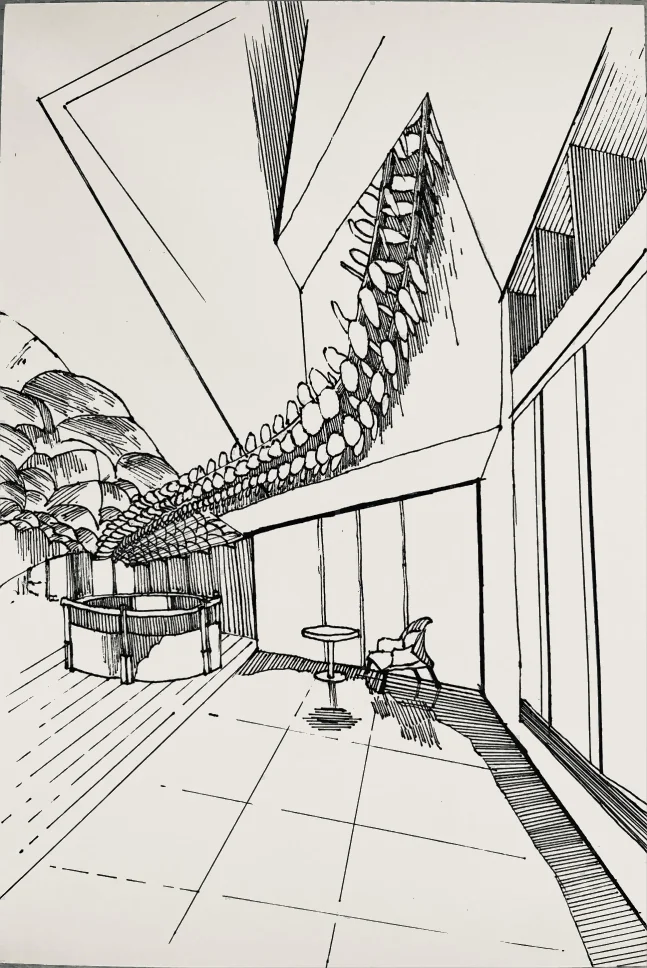
Concept sketch
Explore the outline, proportions and relationship to the room before fixing the detail.
What to review
Review the main views, size, intended drop and the parts of the reference that matter.
Design development
A sketch communicates the idea. A coordinated drawing explains how it will be made, supported, connected and assembled in the space.
From concept to execution
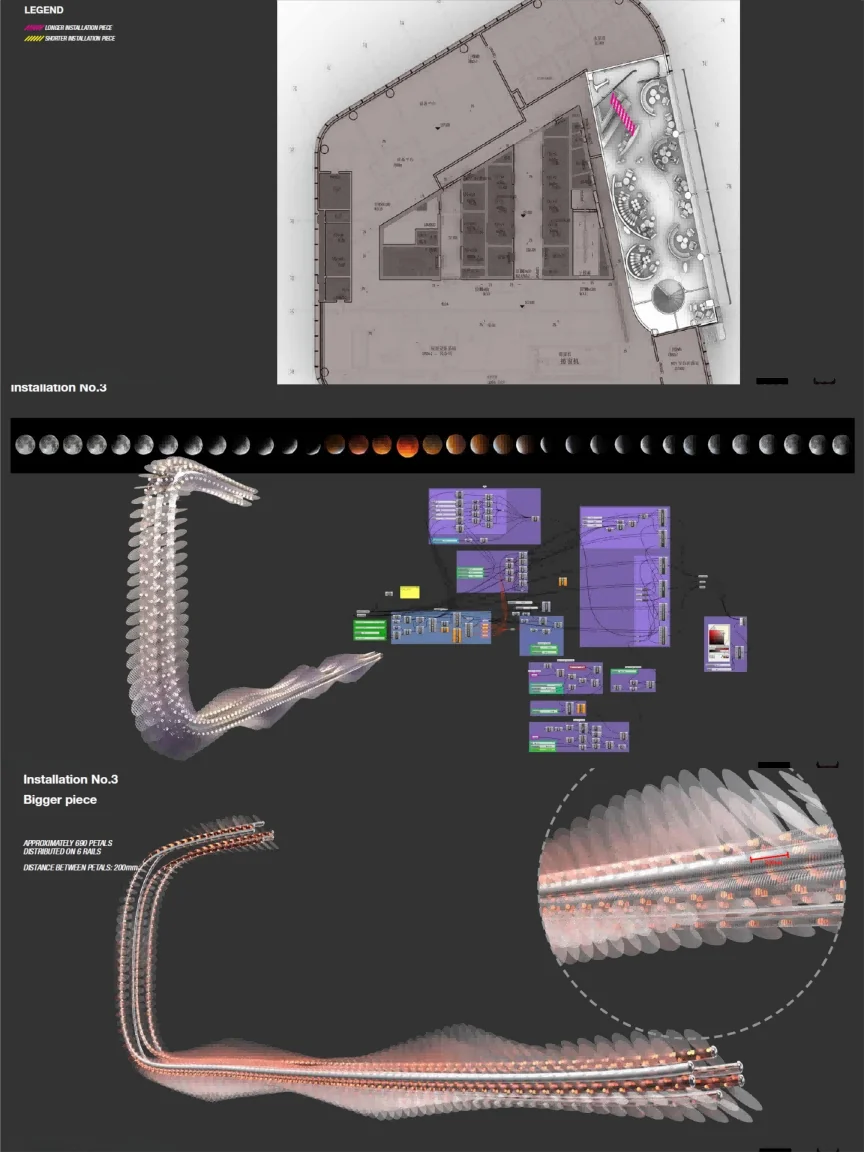
Our custom-lighting team’s design-centre workflow connects the creative idea to the drawings and physical checks needed for production.
Explore the outline, proportions and relationship to the room before fixing the detail.
Review the main views, size, intended drop and the parts of the reference that matter.
Study the volume and arrangement of a larger fixture or installation in context.
Agree which views and level of detail are needed; a rendering does not replace a physical finish sample.
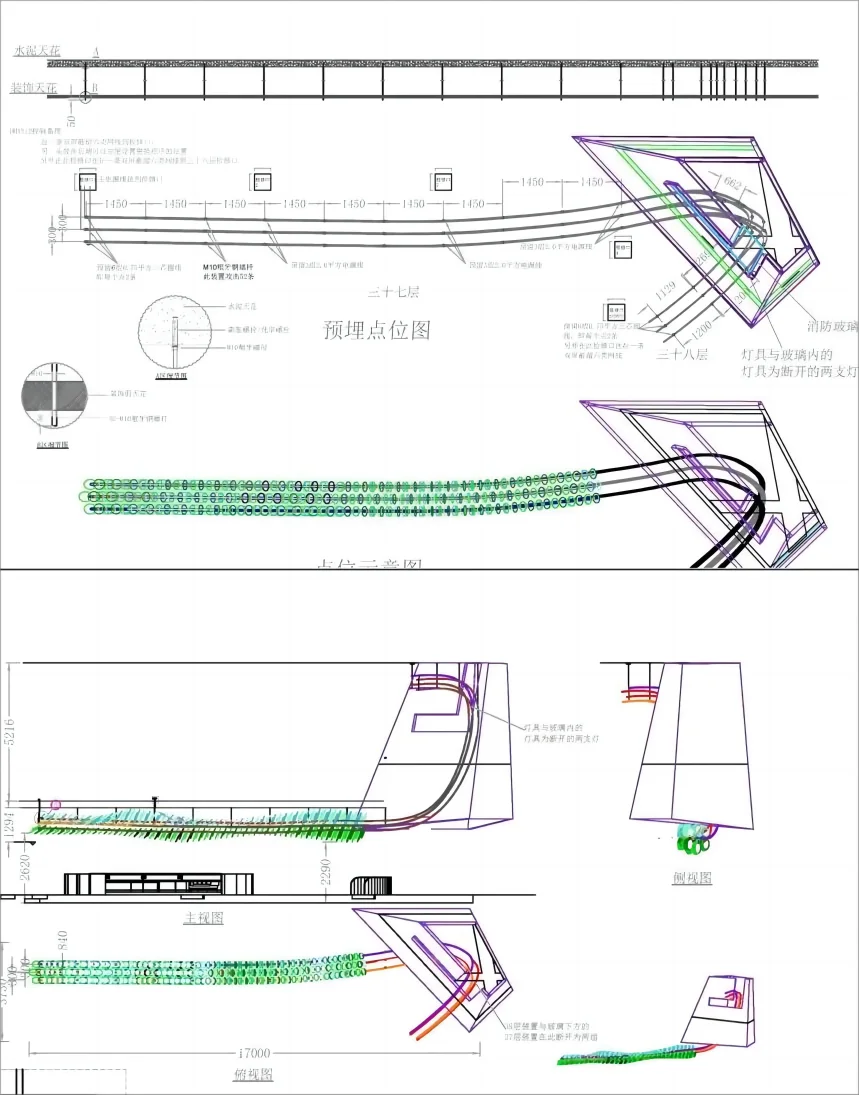
Coordinate shape, dimensions, materials and construction for approval.
Resolve the mounting, wiring and installation interfaces with the responsible design and site teams.
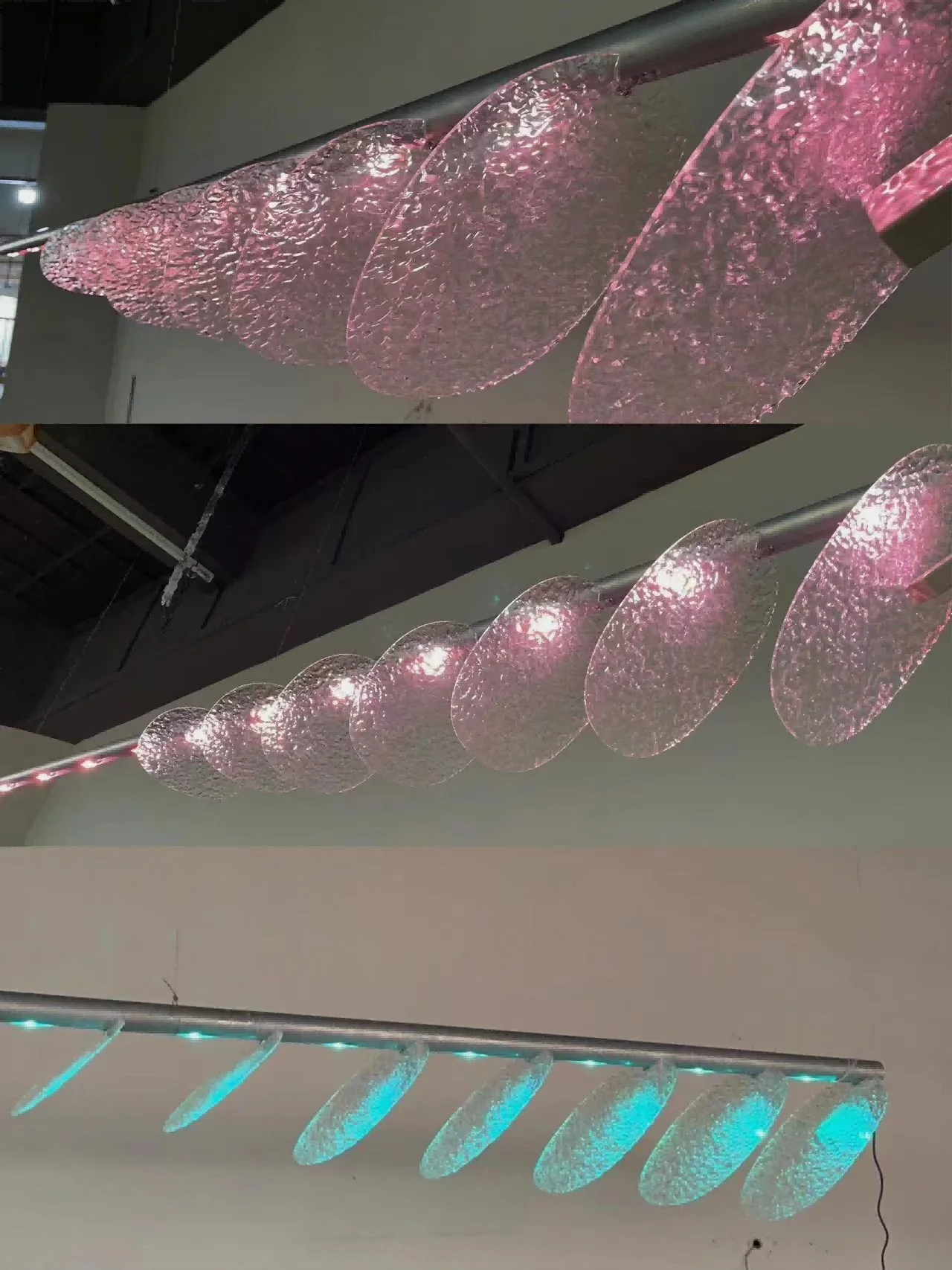
Review texture, colour, scale or the way components connect before release.
Agree whether a material sample, component sample, prototype or trial assembly is needed for the design.
Working together
The designer, architect, maker and local installation team each bring information to the project. Agree the decision owner and the revision to be used before production begins.
Follow the complete process →Fixture size, suspension points, intended drop, supporting structure and access for assembly and maintenance.
Destination supply, light source, drivers, dimming or control requirements, cable routes and the documents your local team needs.
The drawing revision, approved finish sample, agreed checks, packing plan and the work supplied by each party.
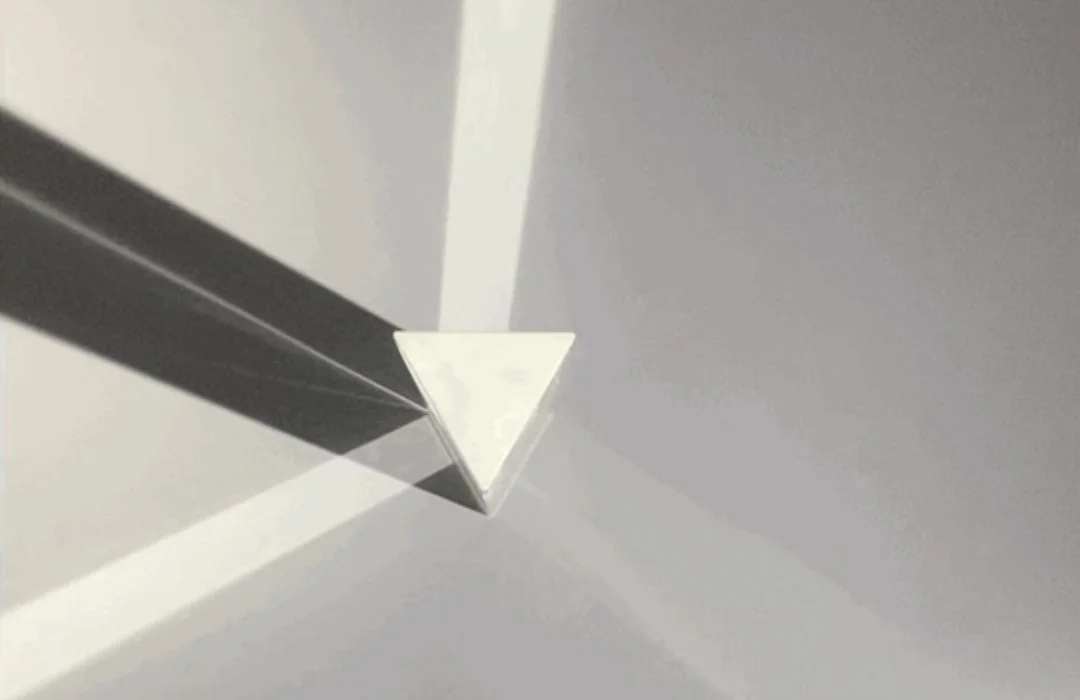
A collaboration in practice
An optical prism and a concealed source turn a precise object into an expressive light pattern. The original project credits the design to Atelier I-N-D-J and manufacture to our custom-lighting team.
Explore the project and its components →Custom-lighting project and craft references from our specialist team. Discuss new sourcing, design and fabrication enquiries with Foshan Supply.
A closer look
A compelling rendering helps everyone discuss the idea. Fabrication and installation need additional information. Label each output by purpose and keep its approvals and revisions traceable.
Decisions worth resolving
Mark the setting, view, overall dimensions and the parts still under development. Agree the material direction and intended light effect without treating a concept image as a final manufacturing instruction.
Our custom-lighting team’s design centre uses sketches for early discussion of dimensions and appearance.
Custom-lighting reference ↗Identify the fixture parts, suspension, mounting interfaces, supply locations and service access. Have the appropriate site professionals review the support and electrical interfaces. Record which drawings are approved for production and which are for coordination only.
Our custom-lighting team describes developing production, pre-installation, wiring and installation information from the approved shop-drawing stage.
Custom-lighting reference ↗Keep the light source, driver, controls and the intended dimming behaviour on the specification. If a proposed control changes, have the combination reviewed again. Make the approved configuration identifiable in the handover.
The selected driver must match the specified control interface; request the model-specific compatibility information.
Lighting-control notes ↗Your next step
A plan, a reference and a few dimensions are a useful beginning. We’ll help identify the next design and specification decisions.