Request a quoteQuote

How we work

From an idea to a finished light.

Five connected stages take a lighting idea through design, material approval, making and installation planning. Each stage ends with a clear decision.

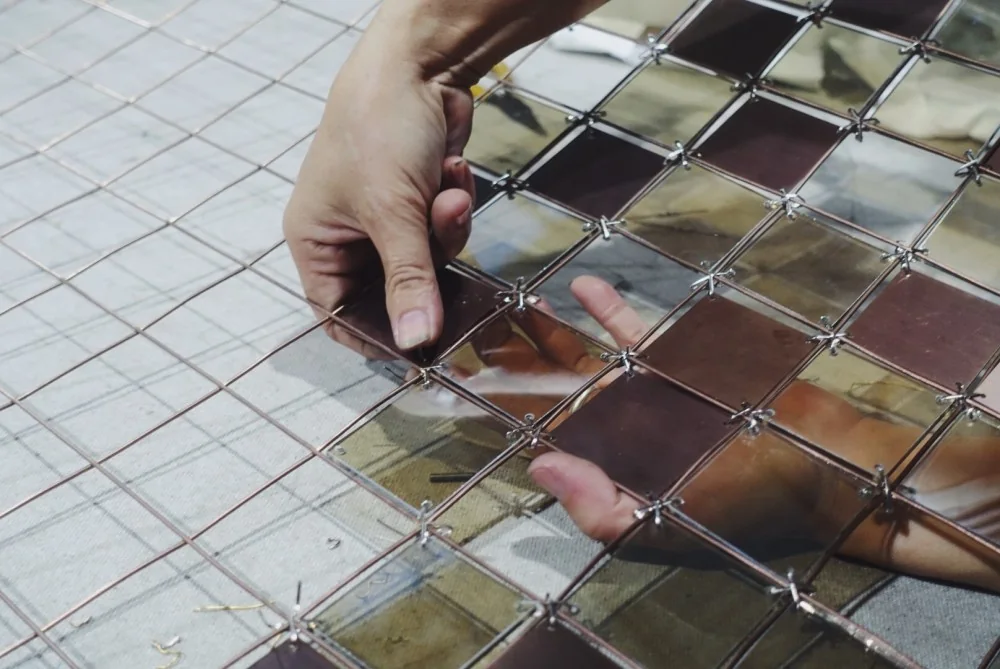
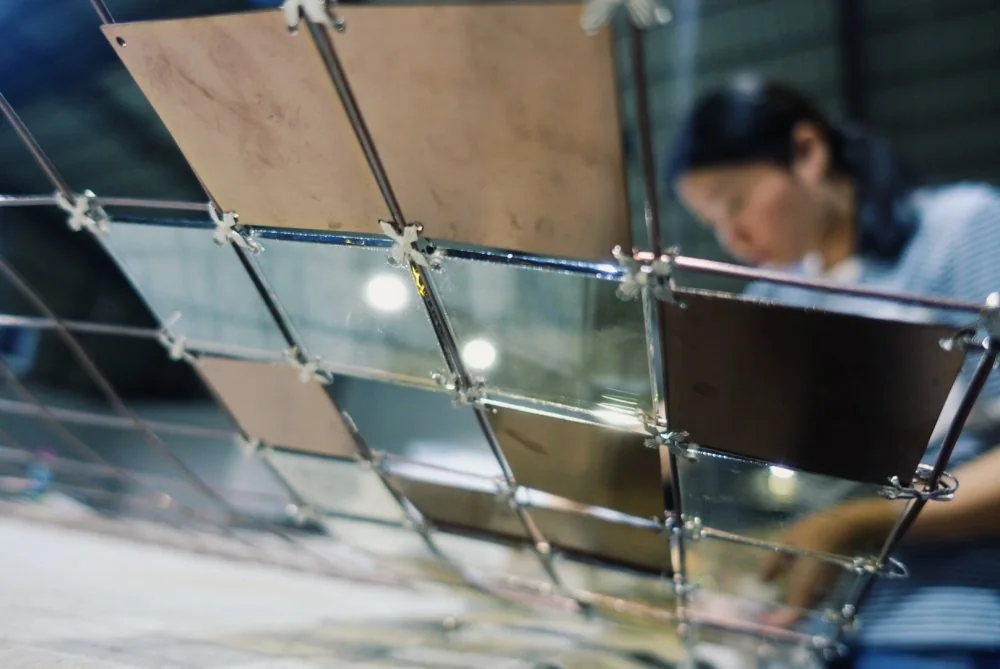
Our custom-lighting team craftspeople assembling reflective panels on a metal lighting frame
Our custom-lighting team · How we work
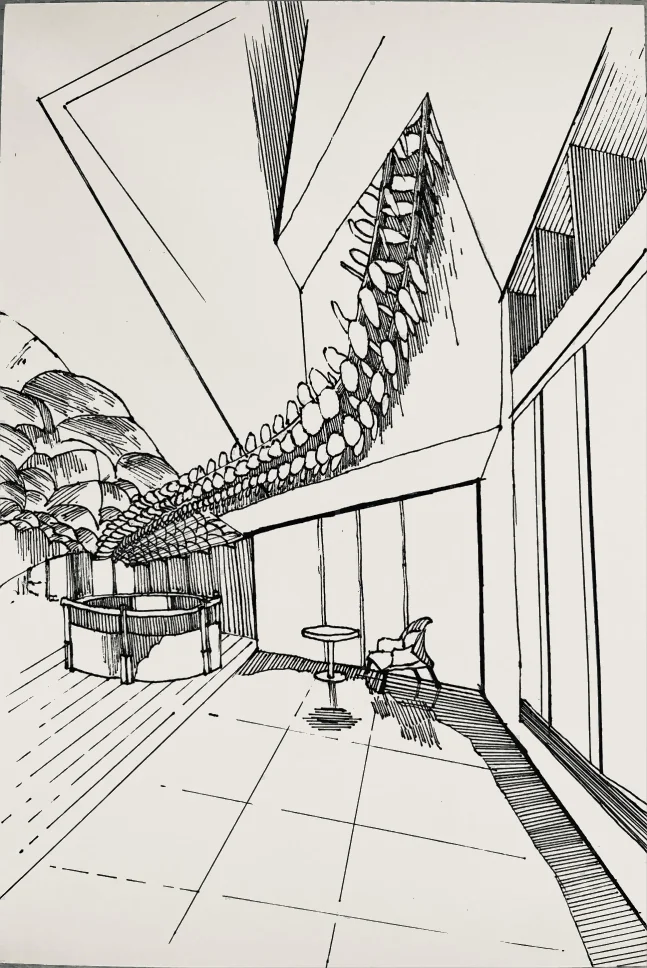
Our custom-lighting team concept sketch of a suspended lighting installation within an interior

01 · Concept

Start with the space.

A room, a reference or a sketch gives the team a place to begin. Establish the intended atmosphere, dimensions and project priorities before developing the fixture.

Decisions & deliverables
Bring
Plans or room photographs, ceiling heights, references, quantities and destination.
Develop
A design direction, initial feasibility questions and the information still needed from the site.
Approve
The design brief, development scope and next decision point.
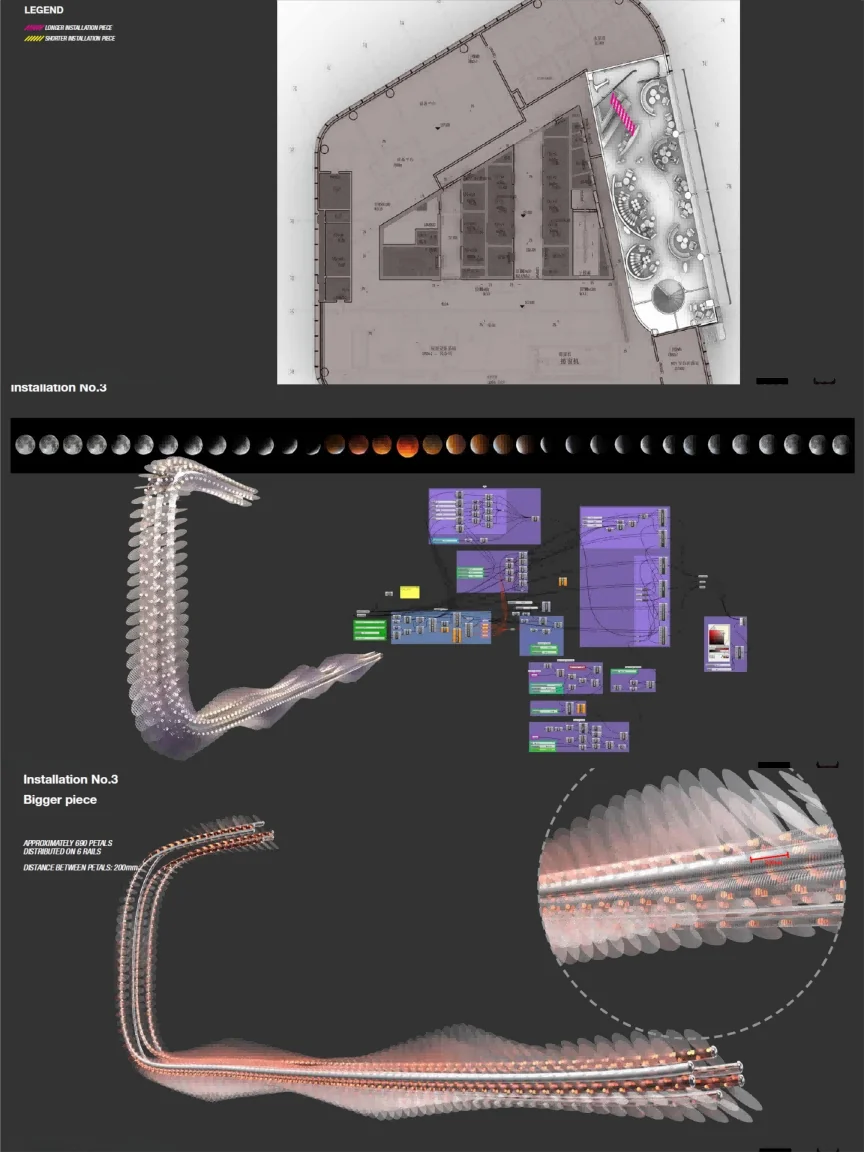
Lighting design presentation with a floor plan, digital model and installation arrangement

02 · Design

Give the idea a form.

Sketches explore appearance and proportions. Renderings help discuss the volume and arrangement of a larger installation in the proposed setting.

Decisions & deliverables
Bring
Feedback from the designer, architect and person approving the project.
Develop
The proposed form, preliminary material direction and an initial pricing scope.
Approve
The direction to develop into coordinated drawings.
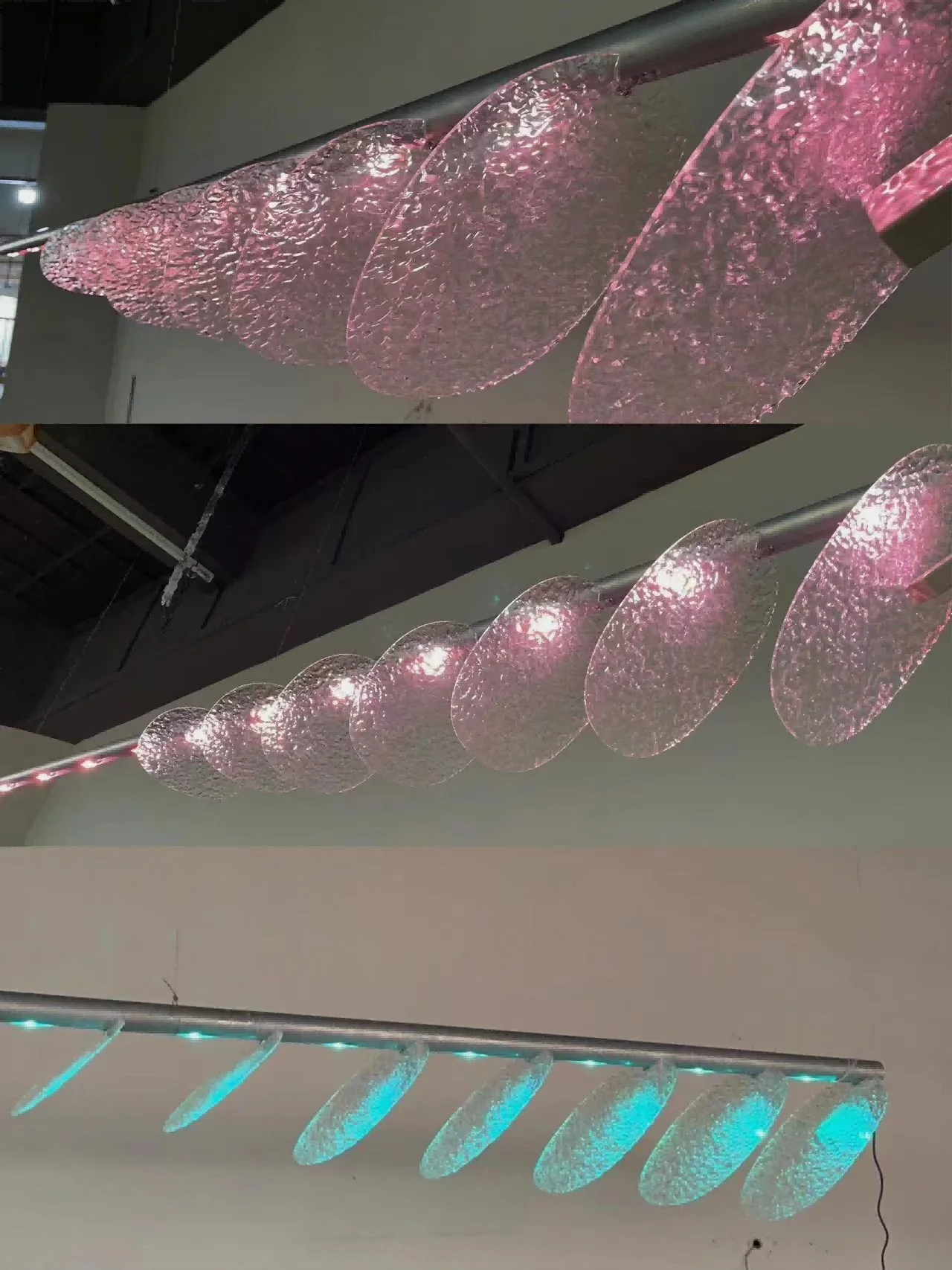
Prototype lighting elements shown under different test colours

03 · Refine

Make the decisions tangible.

Develop the dimensions, finish and construction together. A material sample, component sample or prototype can help resolve the parts that a drawing cannot show.

Decisions & deliverables
Bring
Consolidated comments, finish references and the required technical information.
Develop
Revised drawings, an agreed sample or prototype scope and a clearer specification.
Approve
The design, material references, technical interfaces and production basis.
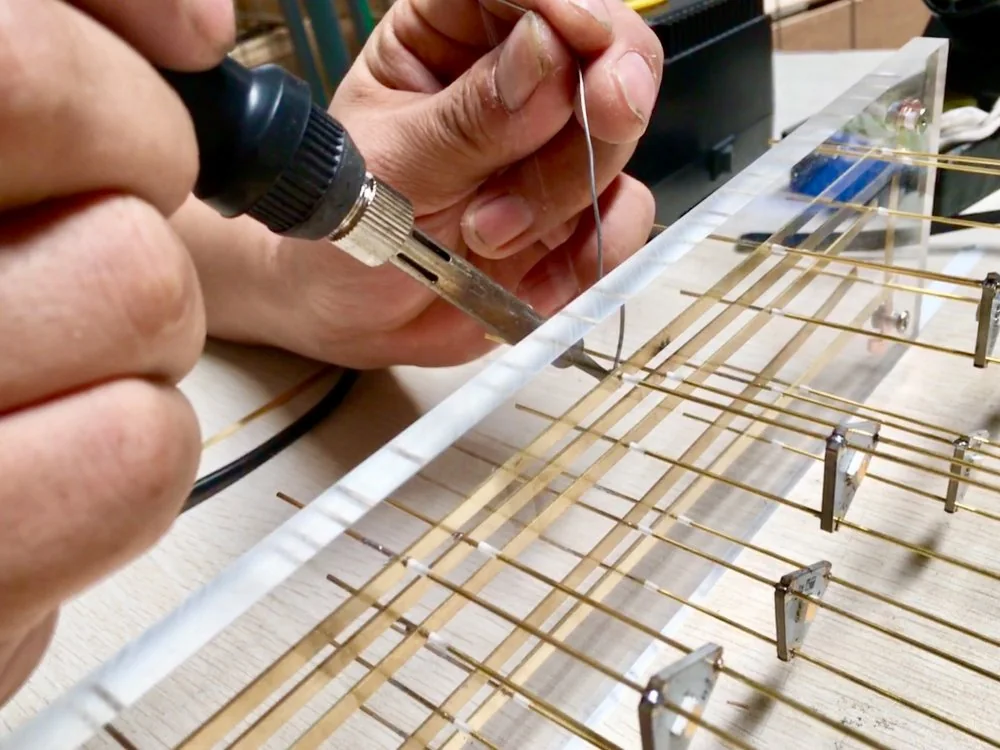
A craftsperson fixing metal components during lighting assembly

04 · Make

Connect craft with construction.

The approved information moves into production. Making, inspection and trial assembly bring the individual parts together and expose details that need adjustment before packing.

Decisions & deliverables
Bring
Approved drawings, final quantities and an agreed production and delivery plan.
Develop
The fixture, agreed progress records and trial-assembly information where scoped.
Approve
The agreed inspection points, arrangement, packing and release requirements.
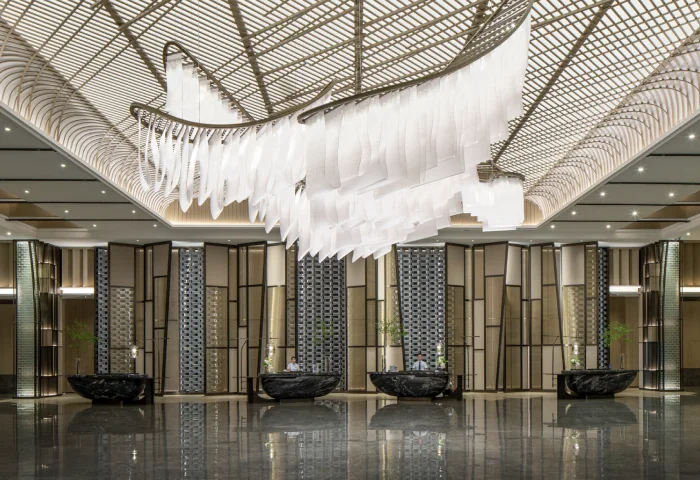
Large suspended lighting installation in a finished interior

05 · Install

Plan the final connection.

Installation information supports the team working on site. Discuss assembly order, mounting, access and electrical connections before the fixture is dispatched.

Decisions & deliverables
Bring
The local installer’s requirements, fixing conditions and access constraints.
Develop
Installation drawings and the agreed remote or site-support arrangements.
Approve
Who provides the fixings, connections, lifting equipment, assembly and final checks.

Before we start

A brief that leaves room to develop.

Tell us what is fixed and what is still open. The development work, sample or prototype scope, fees, approvals and programme are agreed for the individual project.

Useful starting information

  • Plans, room photographs and principal views
  • Ceiling height, intended fixture size and drop
  • Design references, materials and desired light effect
  • Quantity, destination, timing and budget direction
  • Electrical, control, mounting and access requirements
Download the brief
Source & image references

Custom-lighting project and craft references from our specialist team. Discuss new sourcing, design and fabrication enquiries with Foshan Supply.

A closer look

Let each stage end with an explicit release.

A useful custom-lighting process tells the team what is approved and what remains open. Separate the concept decision, sample decision and production release so a render does not become the only purchasing reference.

Hands positioning joints on a reflective glass and metal panel
Our custom-lighting team · glass and metal assembly detail. Project reference ↗

Decisions worth resolving

Concept approval sets the direction.

Record the setting, design intent, overall envelope and the constraints that still need checking. Identify which drawing is a concept and which is a production document. Keep budget and timing assumptions attached to the current scope.

Why this matters

Our custom-lighting team’s process begins with the project status, design objectives, site dimensions and inspiration.

Custom-lighting reference ↗
Sample and drawing approval resolve different details.

Use samples for finish, texture and lit effect; use coordinated drawings for size, suspension, connections and access. Record what each review covers. Before production, consolidate the accepted references into one revision list.

Why this matters

Our custom-lighting team’s design centre describes shop drawings as the basis for production and related installation drawings.

Custom-lighting reference ↗
Production release needs an agreed check plan.

List the observations, measurements and functional demonstrations required before packing. Agree the sample selection and the response to a failed check. Keep any laboratory or certification work separate from the visual visit’s scope.

Why this matters

ASQ describes acceptance sampling as a planned decision about a lot using defined sample sizes and criteria.

American Society for Quality ↗

Your next step

Start with your space.

A plan, a reference and a few dimensions are a useful beginning. We’ll help identify the next design and specification decisions.

Foshan Supply
Request a quote →WhatsApp ↗