
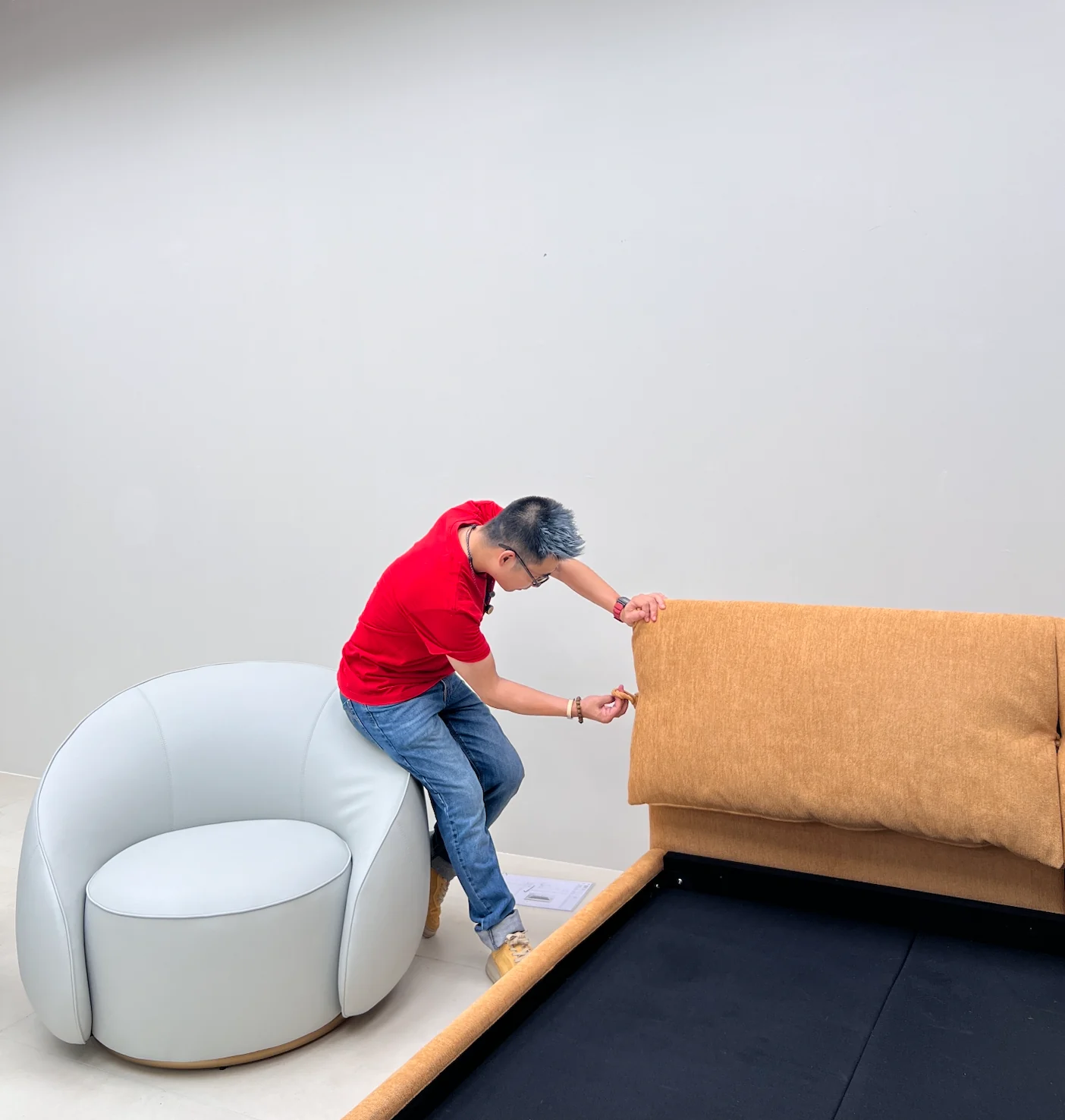
An inspection brief should state the product and lot, the approved reference, the characteristics to examine, the sample-selection approach and the acceptance decision required. Visual checks, measurements, functional demonstrations and laboratory tests have different scopes. Agree those scopes before the visit and keep excluded items visible in the report.
1. State what the inspection will establish
Start with the order, item schedule, supplier location and quantity or lot being presented. Identify the production status and whether goods will be available for unpacking, assembly and operation. Agree the time and access needed for the checks, including what happens if the goods are not ready.
Typical visible checks can include dimensions, finish consistency, accessible workmanship, included parts, labels and packing. The brief should name the characteristics that matter for this order and their acceptance basis. It should also state what the visit will not examine, such as inaccessible internal construction or specialist performance testing.
2. Bring an approved reference
Use a controlled drawing, material description, sample code and component list. A room photograph helps explain intent, but often leaves dimensions, construction and the allowed variation unresolved. Keep the inspection reference in a form the checking team can retrieve at the supplier’s location.
The furniture photographs used on this guide show measurement and accessible construction checks. They illustrate observable work; they are not laboratory test reports or a promise that every part of a shipment has been inspected.
3. Agree how items will be selected
Define the lot and the sample-selection method before choosing units. State which characteristics will be measured, which will be classified against a criterion, and how findings affect acceptance. For a sampling plan, specify the applicable method, inspection level and acceptance criteria with the competent inspection party.
ASQ distinguishes acceptance sampling by attributes from sampling by measured variables. AQL belongs to an agreed acceptance-sampling system. It should not be presented as a guarantee that a stated percentage of every delivered order is defect-free. Choosing a number without a defined lot and plan leaves the decision incomplete.
For one-off custom work, discuss the required examination of that particular piece or assembly directly. A repeated-item sampling approach may not answer the same questions as a full-size mock-up or a check of a single large installation.
4. Add category-specific observations
| Category | Checks to define |
|---|---|
| Furniture & upholstery | Agreed dimensions, seams and accessible construction; function, included components and packing. |
| Cabinetry & doors | Item/room codes, dimensions, finish reference, moving hardware, accessory list and visible edge treatment. |
| Tile & stone | Product and batch identification, agreed surface criteria, dimensions, fabricated-piece schedule and protection. |
| Custom lighting | Component IDs, overall dimensions, sample comparison, agreed functional demonstration and assembly/packing information. |
These examples do not establish a universal pass threshold. Put the actual criterion, instrument or reference and the expected record beside each check before the inspection is commissioned.
5. Make the finding traceable
Give each finding an item number, characteristic, location and photo reference. Record the observed result alongside the agreed criterion. Where a measurement is used, state what was measured and the units. Where a visual judgement is used, refer to the approved sample or agreed defect description.
Keep product-performance documents separate but linked. For example, an on-site picture of a cabinet panel cannot establish the formaldehyde-emission performance addressed by EPA’s composite-wood rules. Ask for the relevant technical evidence as its own approval item.
6. Agree correction, recheck and release
Record nonconformities, required corrections, the party responsible and the deadline. Decide which items need new photographs, measurements or another visit after correction. Keep the release decision explicit and assigned to the agreed decision maker.
A completed inspection report and a shipment booking are different milestones. Before dispatch, connect the accepted item schedule to packing labels, quantities and any remaining open issues. Use the sourcing record to show the decision and its supporting evidence.


