
 Materials, furniture & lighting
Building materials.Find your direction.
Building materials, cabinetry and furniture, each with its own sourcing page: representative products, specifications, options and what to send for a quote.
- One contact for every category
- Compared on one specification
- Consolidated into one shipment
Supplier catalogue scenes · Source 40, PDF p. 5 · Source 44, PDF p. 12 · Source 02, PDF p. 8
Choose how to explore
Find the look. Read the model. Understand the detail.
Explore by look or product type
Find your direction.
Browse the visual edits, from kitchen and wardrobe families to outdoor collections, door styles and material palettes.
Explore styles & series ↗
Browse by look & series
Start with something you love.
French-inspired openings, tactile outdoor furniture, warmer cabinetry and distinctive surfaces. Find a direction, then compare the products behind it.
Explore by material family
From surfaces to the whole room.
Browse the actual product families found in the reviewed catalogues, with room ideas and selection details to help you choose.
Surfaces & slabs
Quiet stone looks. Warm timber patterns. A surface with character.


Kitchens & storage
Kitchen islands, full-height cabinetry and a place for everything.

Bath & wellness
Floating vanities, sculpted baths and your daily rituals.

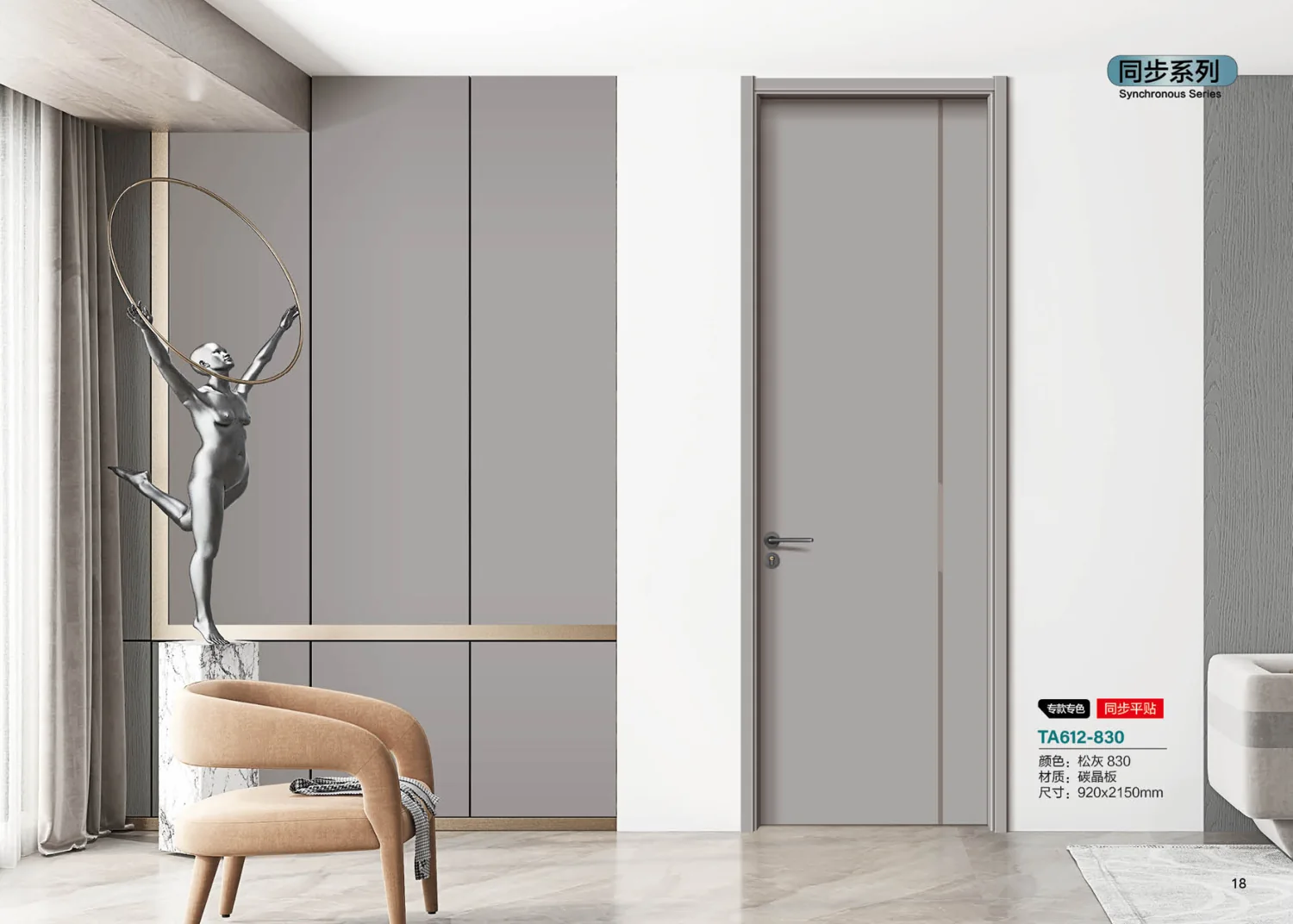
Doors & windows
Frame the view. Define the room. Make the opening work.

Walls & floors
Wood effects, tactile surfaces, acoustic treatments and SPC planks.

Decorative wall finishes
Wood-look wall panels, PET stone effects, metal-effect textures and matching profiles.
Supplier catalogue image · Source 15, PDF p. 18

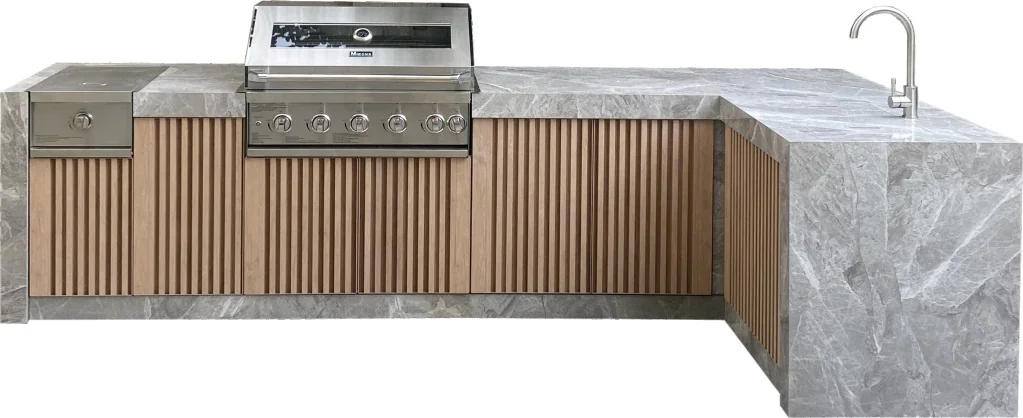
Outdoor living
A terrace to gather on, from woven seating to the cooking island.

Continue the whole-room brief.
Explore the established furniture and lighting collections alongside the material families above.
A closer look
Start with the decision each category needs.
A combined sourcing list still contains different technical decisions. Build one item schedule, then give each category its own approval evidence and the person responsible for reviewing it.
Decisions worth resolving
Materials need identity and intended use.
For tiles and slabs, attach the exact product, finish, application and the physical sample reference. For cabinetry and furniture, separate the visible finish from the substrate and construction. Keep destination documentation beside the product it describes.
EPA’s guidance shows why regulated composite-wood documentation can be relevant to finished products, not only to loose panels.
US Environmental Protection Agency ↗Assemblies need compatible parts.
For windows, doors, vanities and lighting, compare the delivered assembly and its interfaces. Ask who resolves measurements, connections, mounting and installation. Use category-specific technical documents rather than a generic supplier certificate.
UL’s door application guide describes the role of the leaf, frame, glazing and hardware within a complete assembly.
UL Solutions ↗The destination belongs in the first brief.
Give suppliers the receiving country and project use before they shortlist products. Identify the local reviewer and any documentation needed before the order is released. Use the destination guide to identify starting checks for the US, Canada, Australia, the Middle East and Southeast Asia.
PUB’s Singapore guidance illustrates that local product testing and efficiency registration can both matter for water fittings.
PUB, Singapore ↗Understand the construction
Good questions make the choices clearer.
Read the dimensions, layers and materials behind the look.

Bathroom vanity sizes
Cabinet, basin, top and mirror: keep each dimension on the drawing.
Supplier catalogue image · Source 03, PDF p. 34

SPC flooring layers
Separate plank thickness, wear layer and the attached IXPE backing.
Supplier catalogue image · Source 12, PDF p. 9
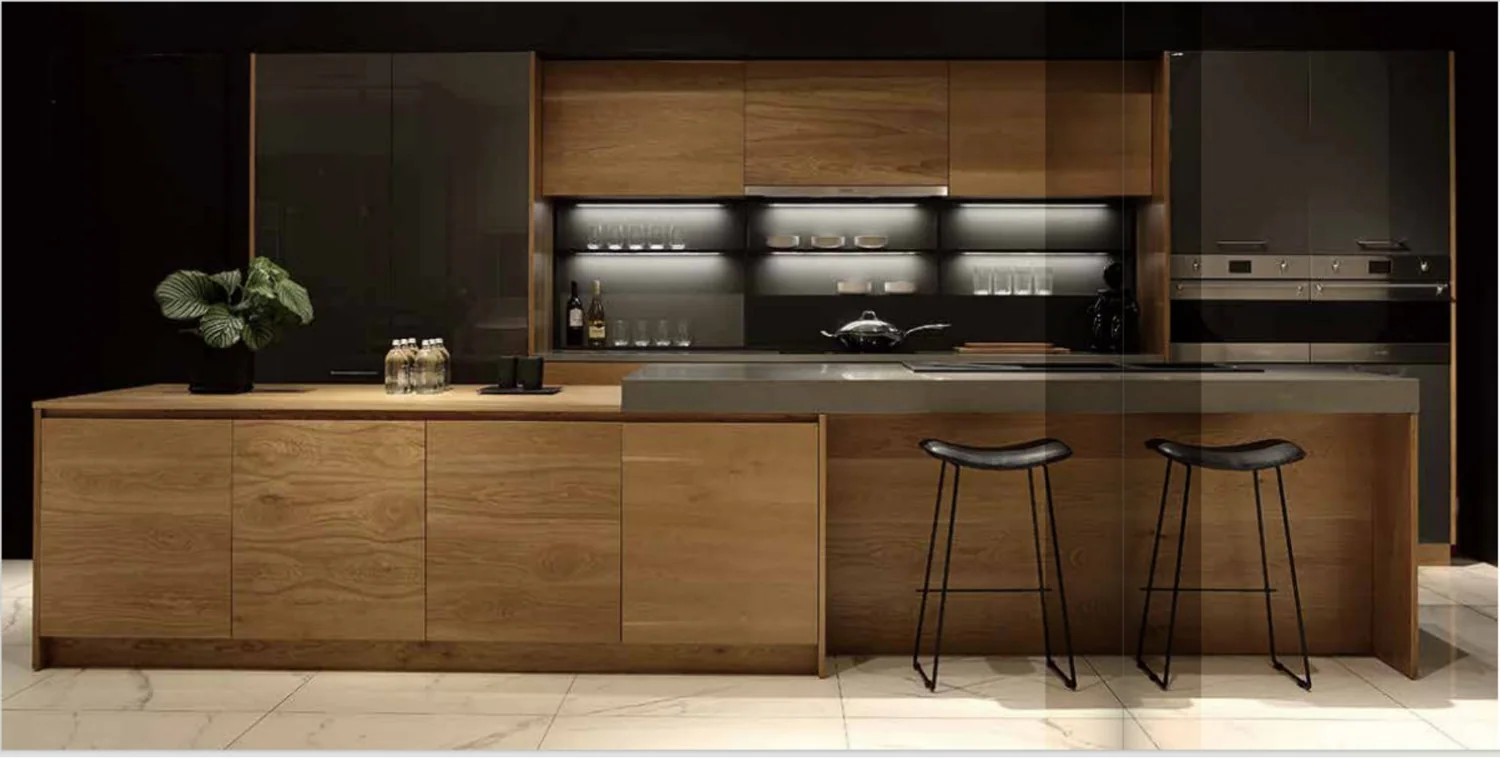
Kitchen cabinet materials
Compare the cabinet box, door, core, finish and hardware.
Supplier catalogue image · Source 40, PDF p. 5

One way of working for every category
Four stages, six services, one contact.


Before the order
A few things to clarify.
Practical questions for your brief, your quotation and the next decision.
Discuss your requirements →Is Foshan Supply a product catalogue or a sourcing service?
It is a sourcing service and product-category reference. Product selection, supplier identity, availability, pricing and responsibilities are confirmed for the individual order.
Can I enquire about several product categories together?
Yes. Send one list organised by room or category, with quantities and destination. We can identify which details are ready and which require clarification before supplier quotations.
Where should I start if my specifications are incomplete?
Use the RFQ guide and mark open choices clearly. A reference photo, approximate quantity and destination can start the discussion without pretending every detail is settled.
Tell us what you need to source
Share your product list, drawings or reference photos. Tell us the quantities and destination.
 We review your request.
 We clarify product and sourcing needs with you.
 We agree on the scope and next steps.