

Surface selection
Stone-look tile selections
- Explore
- 4 pattern directions
- Choose
- Appearance, then material and format
Foshan Supply · Tiles & porcelain
Source porcelain floor and wall tiles from Foshan. Compare stone, marble, wood and outdoor looks, then select the format and surface finish for your space.

Start with what you love
Explore the look, material or way of living. Each direction opens into its own images, products and details.
Tiles & porcelain
Limestone-look porcelain
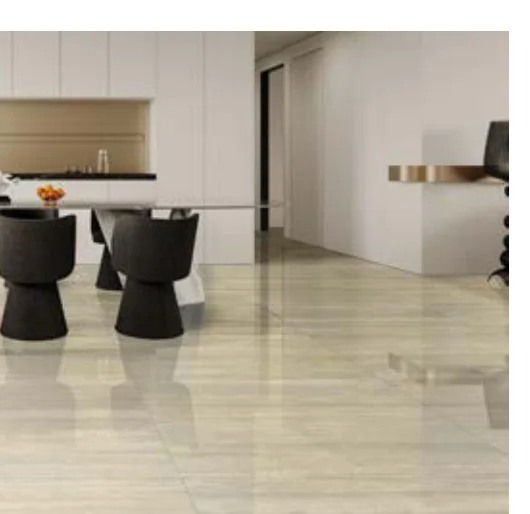
Tiles & porcelain
Vein-cut travertine looks

Tiles & porcelain
Marble Impression

Tiles & porcelain
Metallic Rose

Tiles & porcelain
Wood-look porcelain planks
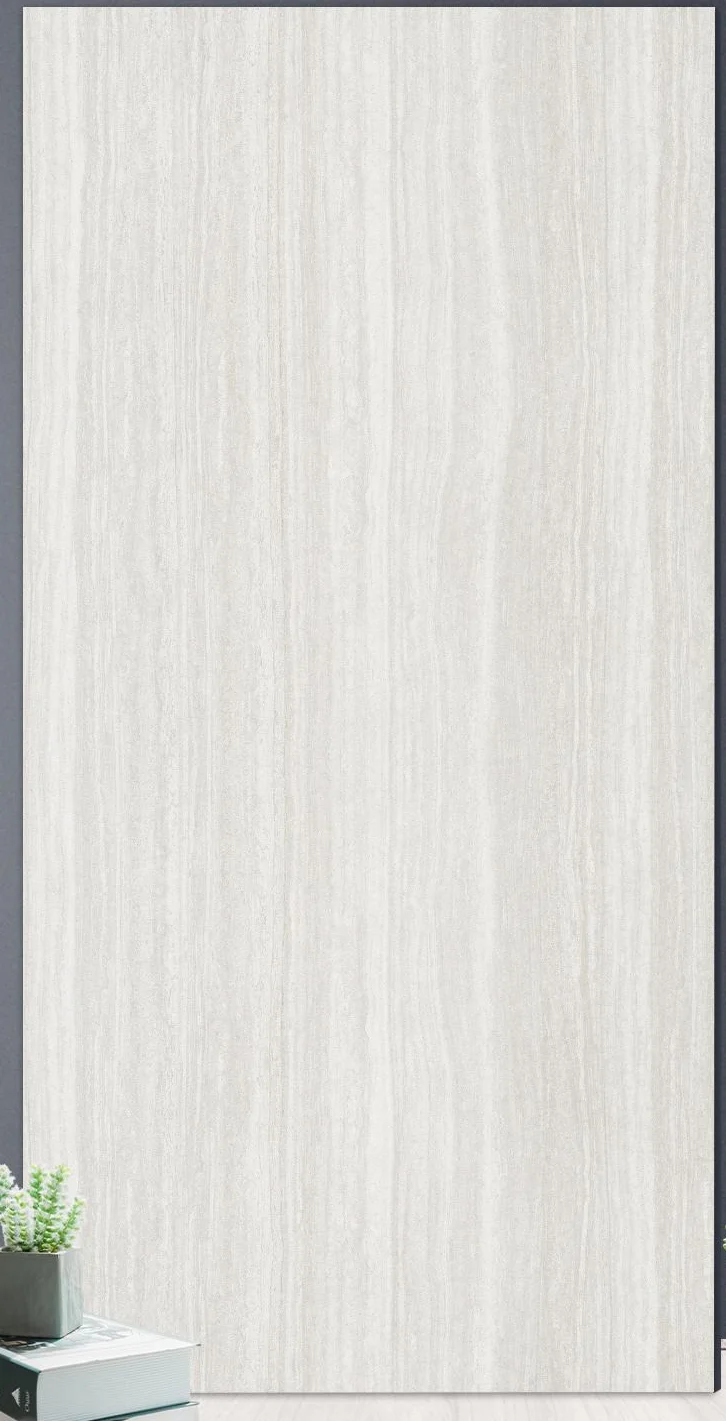
Tiles & porcelain
18 mm landscape and terrace tile directions
Explore & compare
No matching references. Remove a filter or try a different model or product name.
Surface selection
Series / design direction

Series / design direction

Series / design direction
Series / design direction

Series / design direction
Series / design direction

Series / design direction
Series / design direction

Series / design direction

Series / design direction

Series / design direction
Series / design direction
Series / design direction
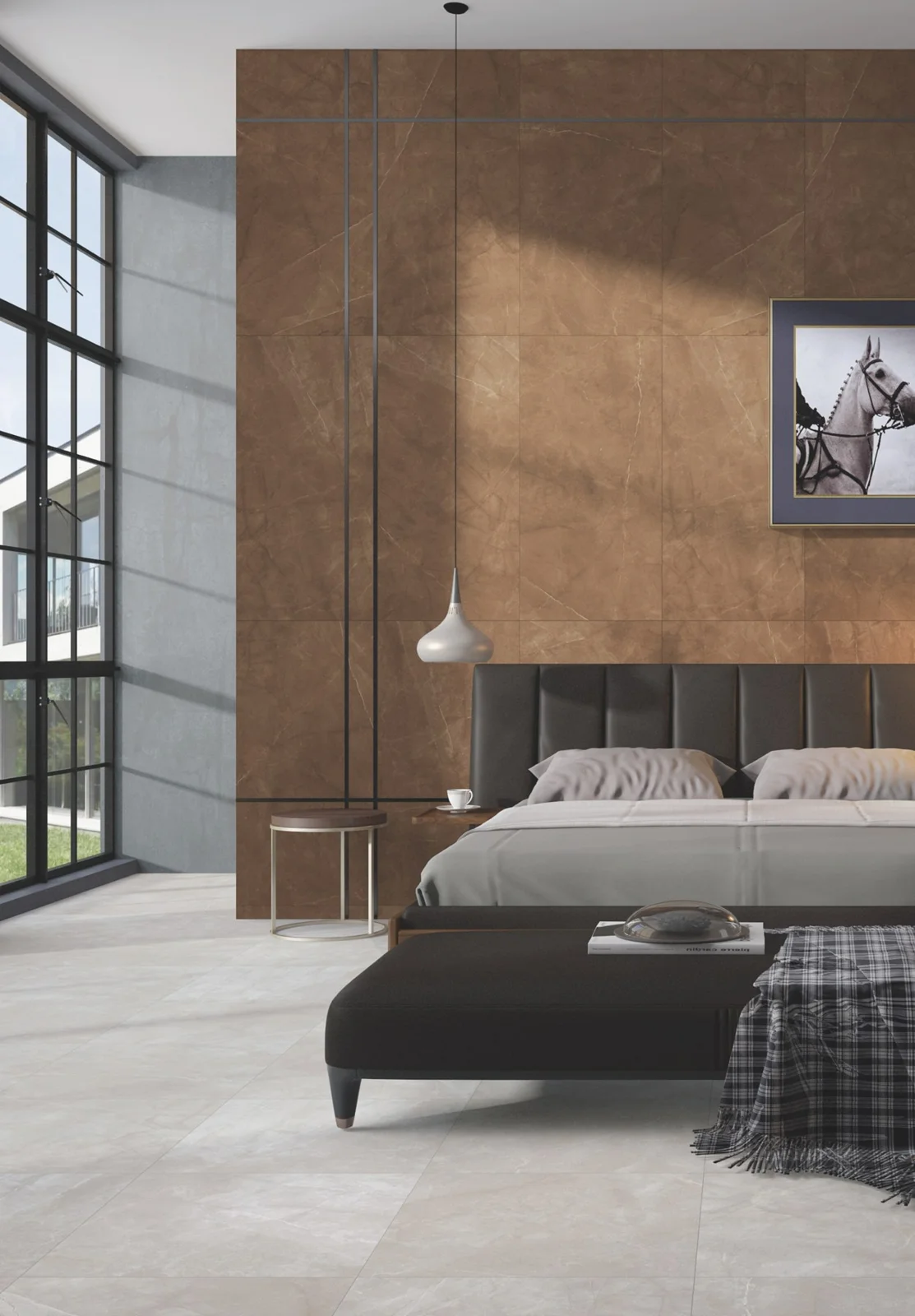
Series / design direction

Catalogue reference
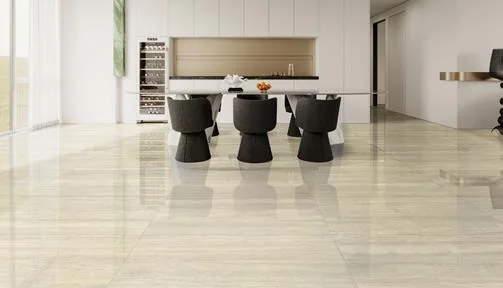
Understanding Porcelain & ceramic tiles
Tile selection combines three decisions: the look, the surface and the format. The catalogues move from quiet limestone and cement effects to terrazzo, timber and expressive marble looks.
Limestone, travertine and cement-look families offer different scales of movement. Terrazzo introduces a more granular pattern. Compare several faces together to understand the variation across a floor or wall.
The Source 45 wood-look range includes 200 × 1200 mm matt ceramic planks. The longer shape gives a different joint rhythm from a square tile, even when the colours are similarly warm and neutral.
Polished, matt, textured and rough finishes appear in different families. A design name alone does not identify its finish or slip result; keep the complete code with the sample.
Compare the possibilities
Find the detail that suits your room. Each reference pairs a design idea with the specification behind it.

Compare the laying direction, joint colour and edge details.
Source 45: 200 × 1200 mm, matt.
Vein-cut and cross-cut designs create different pattern directions.
Source 49 examples: 600 × 600 × 9.5 mm or 600 × 1200 × 10 mm.

Agree the installation system and the exact surface test for the intended location.
Source 49 selected ranges: 18 mm, in 600 × 600 or 600 × 1200 mm.
Catalogue basis · Source 45, PDF pp. 3, 4, 13, 22, 36 Source 49, PDF pp. 4, 14, 15, 36, 38, 39. Dimensions are catalogue examples; select the current code and sample for your project.
From inspiration to specification
Tiles: look, format, finish & outdoor options
Organise tile selection by visual family first, then compare the exact code, format, thickness and surface finish. Appearance does not establish slip performance, tile body or suitability for a particular exterior.
Limestone, travertine, marble and mineral patterns
Choose the actual code and finish.
Different surface and repeat directions
Review joints, scale and physical surface sample.
A separate thicker chapter
Request the exact product’s installation and use information.
Handmade effects, openwork and smaller elements
Confirm module variation, edges and joint pattern.
Source 49, pp. 4, 6, 8, 10, 14, 15, 16, 18, 21, 25, 27, 28, 29, 30, 35, 36, 38 · Source 50, pp. 3, 5, 8, 14, 18 · Source 91, pp. 12, 14, 15
From the look to the detail
Use these questions to turn a preferred look into a clearer specification.
Look at the full face set for the selected code, then view a proposed layout. The Source 49 limestone example lists nine patterns; other families differ. A single sample cannot explain the whole floor.
Start with a coordinated colour direction, then select each area’s actual product and finish. Thickness, edge transitions, drainage and installation may differ even when the appearance is related.
Room and surface, complete code, nominal size and thickness, finish, laying direction, joint preference and quantity. Keep any slip classification tied to the tested SKU and relevant test method.
A closer look
A tile can look right in a photograph and still be the wrong specification for the room. Settle the use, cleaning regime and product reference before choosing between similar finishes.
Decisions worth resolving
Ask for the test method and the manufacturer’s stated use category for the exact surface. Describe water, grease, slopes and cleaning to the specifier. Keep the result with the tile code; a polished showroom sample cannot establish suitability for a shower or commercial kitchen.
TCNA explains that DCOF is a comparative measurement; it is only one of the factors in selecting a surface.
Tile Council of North America ↗Place several pieces together, check the edge and repeat pattern, and record the shade and batch allocated to each room. Photograph the approved group with its label. The photograph is a useful record; keep the physical sample for later comparison.
IES TM-30 describes average colour fidelity, gamut and hue-specific colour changes.
Illuminating Engineering Society ↗Define dimensions, surface defects, shade grouping, box labels and the checks to perform before dispatch. Agree how samples will be selected and how a failed check will be resolved. Include extra pieces and the batch reference in the handover to your installer.
ASQ describes acceptance sampling as using a sample and defined acceptance criteria to decide on a lot.
American Society for Quality ↗Before the order
Practical questions for your brief, your quotation and the next decision.
Discuss your requirements →They are different product specifications. Ask the supplier to identify the body and provide the relevant performance data. Select for the actual installation rather than assuming a room photo establishes suitability.
Record one approved reference, confirm the batch allocation by area and check available quantities before ordering. Include your installer’s allowance and an agreed replacement plan.
Send room areas, preferred format and finish, reference photos, quantities and destination. Mark undecided items clearly so suppliers can quote an option rather than making a silent substitution.
Your room. Your selection.
Save the directions and product views you like. Share dimensions, quantities and destination; Foshan Supply will help turn them into a coordinated shortlist and comparable quotation.
